
Painting your home or commercial space can completely transform its appearance, but achieving a flawless, professional finish requires proper preparation. Whether you’re tackling an interior or exterior project, thorough prep work is essential to ensure paint adheres well, lasts long, and delivers a smooth and even coat. Alberta Painters Co., a trusted painting service in Edmonton, recommends following these detailed steps to prepare your space for painting effectively.
Step 1: Clear the Area
Before you begin, remove as much furniture, decor, and personal items as possible. This not only creates more room to work but also prevents accidental paint splatters. For larger furniture pieces that cannot be moved, place them in the center of the room and cover them with drop cloths or plastic sheets.
For exterior painting, move items like patio furniture, potted plants, and garden accessories away from the painting area. If you’re working on a commercial space, ensure all sensitive equipment is properly protected.
Step 2: Clean the Surfaces
Dirt, grease, and dust can prevent paint from adhering properly, leading to an uneven finish. Clean all surfaces thoroughly before painting:
- Interior Walls: Use a mild soap solution and a sponge to remove dirt and grime.
- Kitchen & Bathroom Areas: Use a degreaser to eliminate any oil buildup.
- Exterior Surfaces: Power wash walls, siding, and trim to remove accumulated dirt and mildew.
- Wood Surfaces: Use a damp cloth to remove dust and let the surface dry completely.
Allow surfaces to dry completely before proceeding to the next step.
Step 3: Repair Imperfections
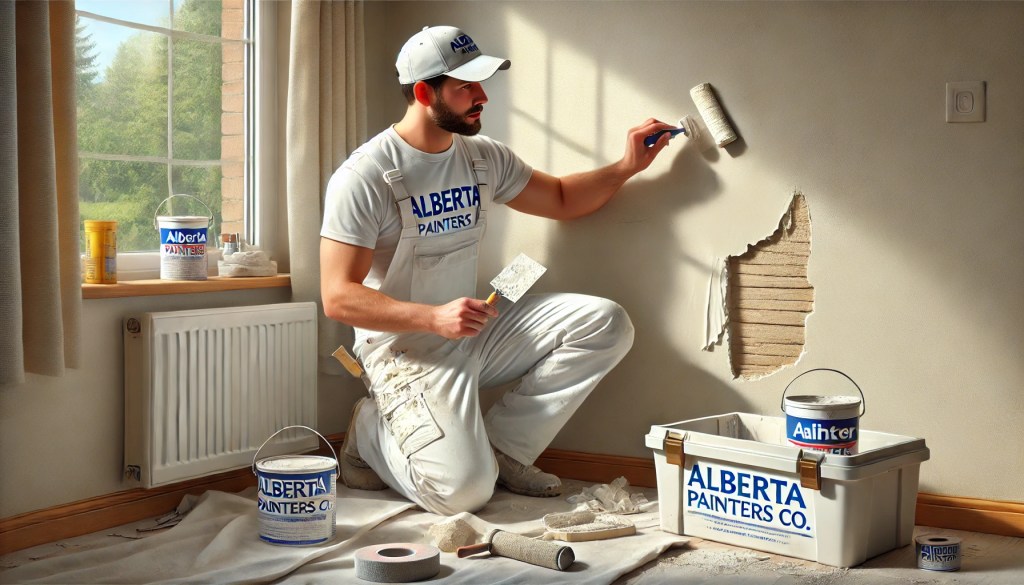
Inspect walls, ceilings, and surfaces for any damage, including cracks, holes, or peeling paint. Alberta Painters Co. recommends:
- Filling nail holes and cracks with spackle or wood filler.
- Using caulk to seal gaps around trim, doors, and windows.
- Scraping away old, flaking paint and sanding the edges to create a smooth transition.
- Patching any major drywall damage and sanding down rough patches.
Once repairs are complete, lightly sand the entire surface to improve adhesion.
Step 4: Protect the Surrounding Areas
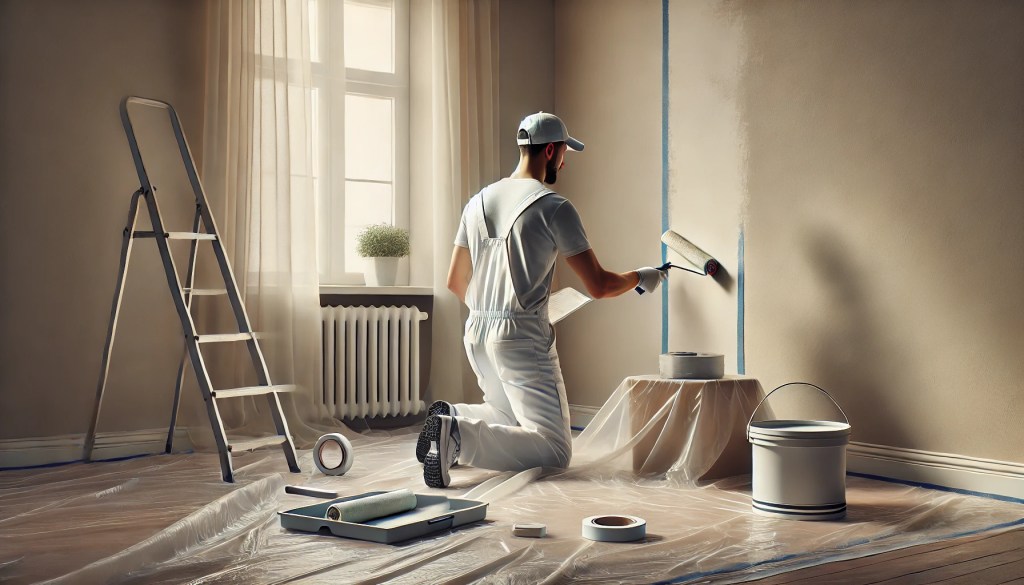
Painting can be messy, so it’s crucial to protect areas that you don’t want to be painted. Use:
- Painter’s Tape: Apply tape around baseboards, door frames, window trims, and any fixtures.
- Drop Cloths: Cover floors and furniture with canvas drop cloths instead of plastic to prevent slipping.
- Plastic Sheets: Use plastic to cover countertops, appliances, and cabinets in kitchens and bathrooms.
For exterior projects, cover landscaping, windows, and doors with protective sheeting.
Step 5: Prime the Walls
Priming is often overlooked, but it is essential for achieving a long-lasting and even paint job. Alberta Painters Co. recommends:
- Using stain-blocking primer for previously painted surfaces with stains.
- Applying bonding primer on glossy surfaces to enhance adhesion.
- Using tinted primer if switching from a dark to a lighter color to reduce the number of paint coats needed.
Allow primer to dry completely before applying paint.
Step 6: Ensure Proper Ventilation
Good airflow helps paint dry faster and minimizes strong odors. For interior painting, open windows and doors, and use fans to circulate air. For exterior projects, choose a dry day with mild temperatures to avoid excessive humidity or direct sunlight, which can affect drying time.
Step 7: Gather the Right Tools and Materials
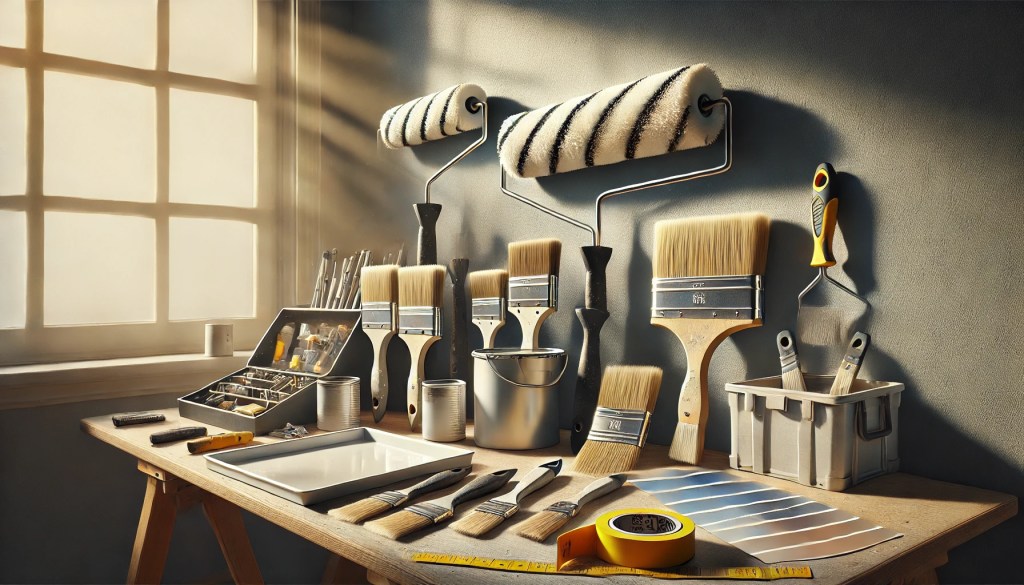
A successful paint job requires the right equipment. Ensure you have:
- High-quality paint brushes for trim and corners.
- Rollers with the appropriate nap size for your wall texture.
- Paint trays, stir sticks, and a sturdy ladder.
- A paint sprayer for large exterior surfaces (optional).
Step 8: Plan Your Painting Strategy
For optimal results, follow a systematic approach:
- Start from the top: Paint ceilings first, followed by walls, and finish with trim.
- Use a ‘W’ technique: Roll paint in a ‘W’ shape to distribute paint evenly and avoid streaks.
- Apply multiple coats: For best coverage, apply at least two coats, allowing each coat to dry fully before adding another.
Step 9: Conduct a Final Inspection
Once painting is complete, check for any missed spots, uneven areas, or drips. Touch up as necessary and remove painter’s tape carefully while the paint is still slightly wet to prevent peeling.
Conclusion
Proper preparation is key to achieving a professional-looking paint job that lasts. By following the above steps, you can ensure a smooth and durable finish. If you prefer a hassle-free painting experience, Alberta Painters Co. in Edmonton provides expert services to handle all aspects of your painting project, from preparation to final execution.
Contact Alberta Painters Co. today for a free consultation and let our professionals bring your vision to life!
 ALBERTA PAINTERS CO.
Leave a comment