
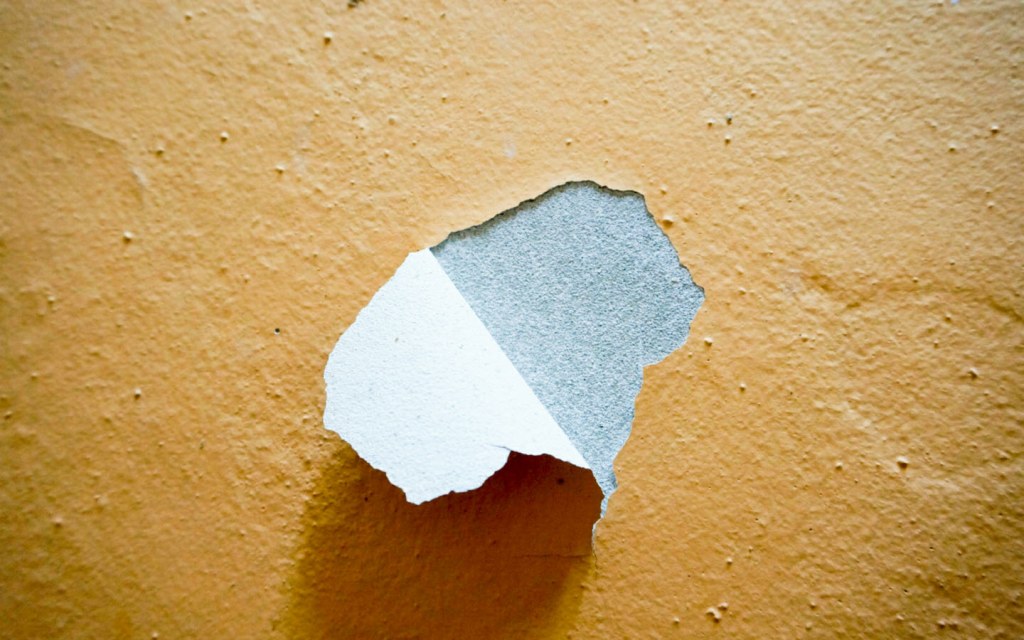
1. Skipping Surface Preparation
- Problem: Paint won’t adhere to dirty, uneven, or peeling surfaces.
- Prevention:
- Clean thoroughly, fill holes, sand smooth, and apply primer.
- Fix: Sand peeling areas, re-prime, and repaint.
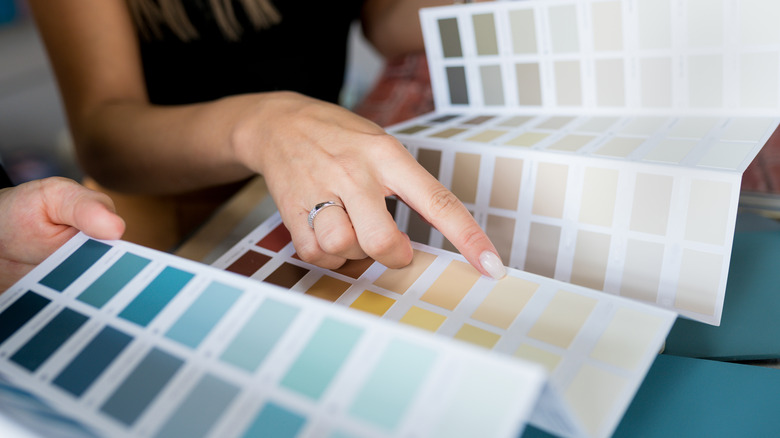
2. Choosing the Wrong Paint
- Problem: Using the wrong type or finish can affect durability.
- Prevention:
- Match finishes to use (e.g., flat for ceilings, semi-gloss for kitchens).
- Choose latex for walls, oil-based for trim.
- Fix: Sand glossy finishes or apply primer, then repaint.
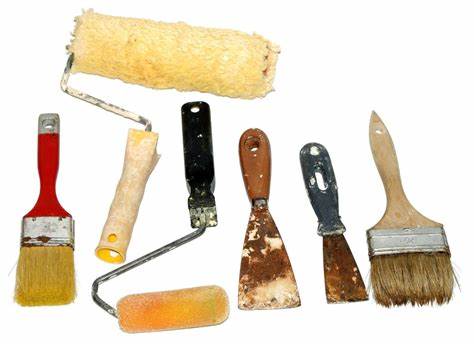
3. Using Low-Quality Tools
- Problem: Cheap brushes/rollers create streaks or uneven application.
- Prevention:
- Invest in quality tools and match rollers to wall texture.
- Fix: Sand streaks or patches, then repaint with proper tools.
4. Applying Paint Too Quickly/Thickly
- Problem: Results in drips, uneven coverage, and slow drying.
- Prevention:
- Use thin, even coats and allow proper drying time.
- Fix: Sand drips/sags, then reapply thin coats.

5. Ignoring Weather/Environment
- Problem: Temperature/humidity affects drying and adhesion.
- Prevention:
- Paint within ideal temperature (50°F-85°F) and low humidity.
- Fix: Sand imperfections and repaint in better conditions.
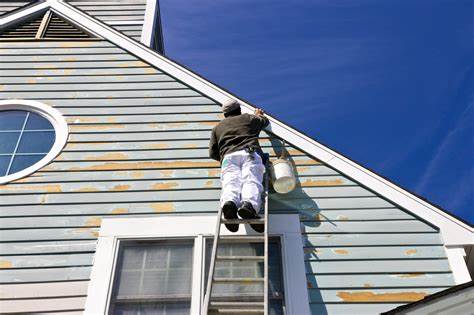
Bonus Tips for a Flawless Finish
- Plan Ahead: Gather supplies and allocate time to work methodically.
- Test Colors: Sample shades in various lighting before committing.
- Protect Your Space: Use drop cloths and keep cleanup supplies handy.
By addressing these pitfalls, your next painting project can achieve a polished, professional appearance.
 ALBERTA PAINTERS CO.
Leave a comment